Archives
- 2026-10
- 2026-09
- 2026-08
- 2026-07
- 2026-06
- 2026-05
- 2026-04
- 2026-03
- 2026-02
- 2026-01
- 2025-12
- 2025-11
- 2025-10
- 2025-09
- 2025-04
- 2025-03
- 2025-02
- 2025-01
- 2024-12
- 2024-11
- 2024-10
- 2024-09
- 2024-08
- 2024-07
- 2024-06
- 2024-05
- 2024-04
- 2024-03
- 2024-02
- 2024-01
- 2023-12
- 2023-11
- 2023-10
- 2023-09
- 2023-08
- 2023-07
- 2023-06
- 2023-05
- 2023-04
- 2023-03
- 2023-02
- 2023-01
- 2022-12
- 2022-11
- 2022-10
- 2022-09
- 2022-08
- 2022-07
- 2022-06
- 2022-05
- 2022-04
- 2022-03
- 2022-02
- 2022-01
rnase inhibitors Casein accounts for of the total protein in
2024-08-13
Casein accounts for 80% of the total protein in bovine milk (Capriotti, Cavaliere, Piovesana, Samperi, & Laganà, 2016); hydrolysates or bioactive peptides derived from casein have been employed widely in food as a functional ingredient (Capriotti et al., 2016, Field et al., 2008). Many studies have
br Materials and methods br
2024-08-13
Materials and methods Results Discussion We have developed a high-throughput functional genomic screen that allows the identification of genes that confer drug resistance. Several factors have been identified which must be taken into account to develop a reliable screen. In particular, cons
While the yeasts and see Glossary each contain
2024-08-13
While the yeasts and (see Glossary) each contain only one Aurora homolog, Ipl1p (increase in ploidy 1) and Ark1 (Aurora-related kinase 1), respectively 5, 6, , and Xenopus laevis contain two Aurora kinases: Aurora A and Aurora B [4]. Mammals have three Aurora kinases, A, B, and C (Figure 1). In an
rosavin When skeletal muscle ages there is
2024-08-13
When skeletal muscle ages, there is an increase in frailty, which is coincident with a decrease in muscle mass and function—this condition is called sarcopenia (Cruz-Jentoft et al., 2010). It has been shown that one of the major pathways downregulated at the onset of sarcopenia is the mitochondrial
The glutamate receptors are important to the glioma cells
2024-08-12
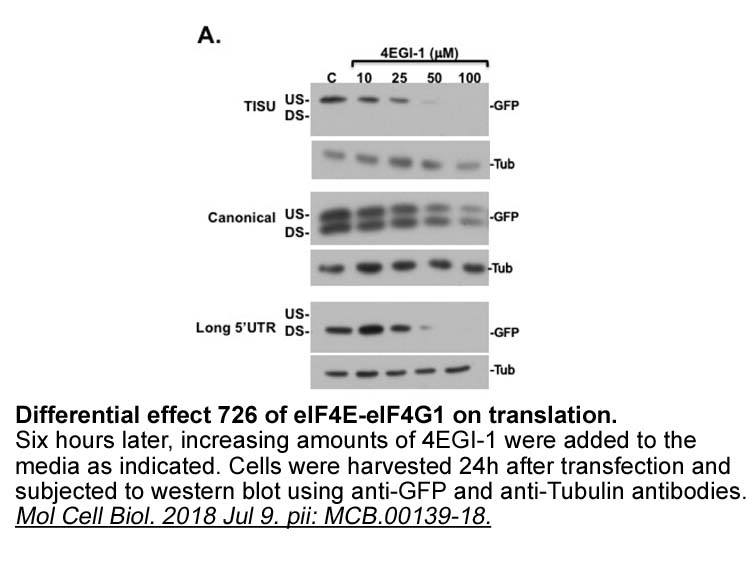
The glutamate receptors are important to the glioma c-Myc tag from escaping the excitotoxicity under physiological conditions. There are three subtypes of ionotropic glutamate receptors, including NMDA, kainate, and AMPA receptors, which are relating to diverse Ca2+ permeability. Glioma cells also e
br Stress glucocorticoids as risk factor for
2024-08-12
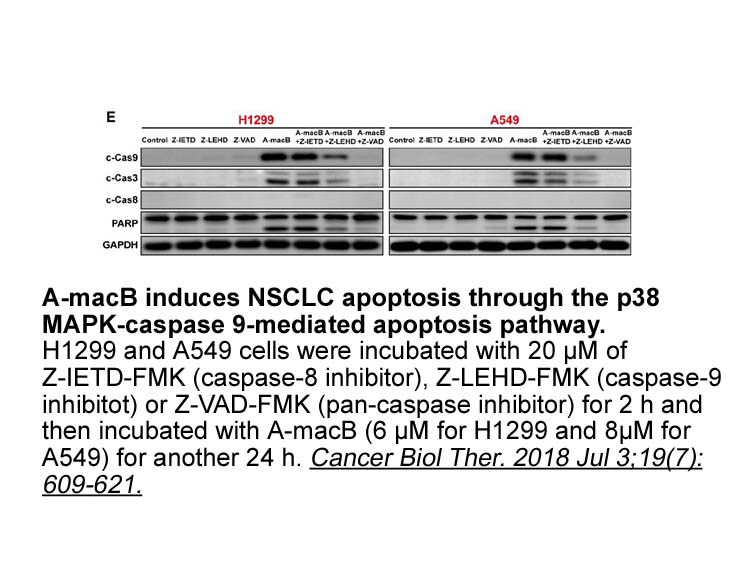
Stress/glucocorticoids as risk factor for Alzheimer’s Disease: preclinical studies A role for glucocorticoids in shaping the risk for AD is supported by animal studies using rats or mice injected with Aβ oligomers, tau protein or excitotoxins, or transgenic (Tg) mice carrying mutations associated
Fmoc-Val-OH synthesis Increasing evidence indicates that ILC
2024-08-12
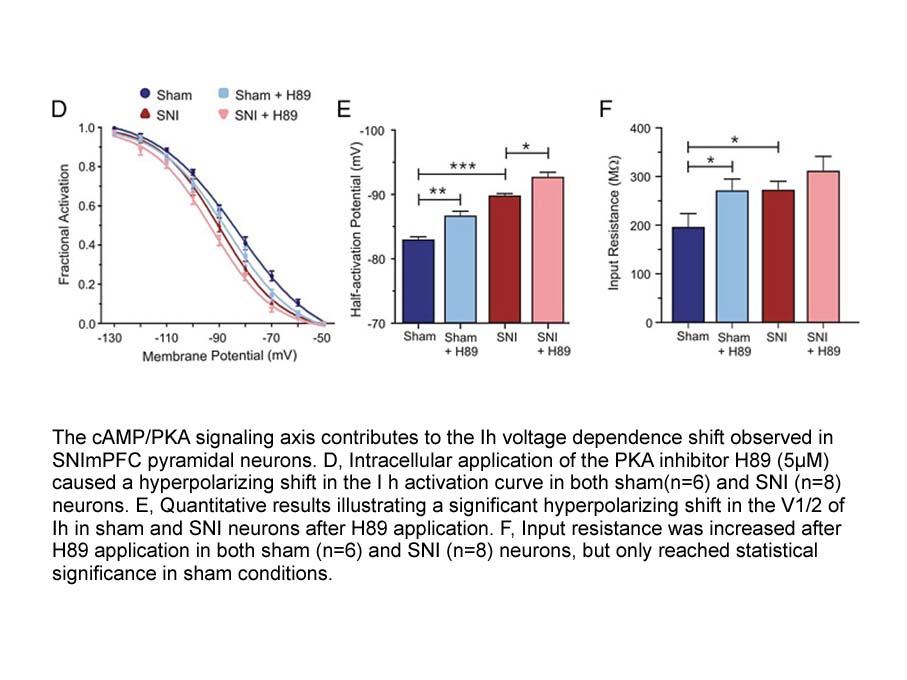
Increasing evidence indicates that ILCs participate in a dialog with CD4+ T Fmoc-Val-OH synthesis [107–110]. This dialog is mediated, in part, through the expression of type II major histocompatibility complex (MHCII) molecules on ILC3s [107]. Depending on the expression of co-stimulatory molecules
It is well known that TCDD
2024-08-12
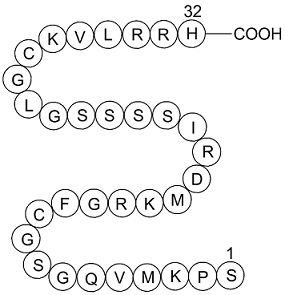
It is well-known that TCDD is the most potent ligand of AhR and it regulates gene expression, such as CYP1A1, via activation of AhR (Mimura and Fujii-Kuriyama, 2003). Besides Tomblin et al. (2016) have recently shown that TCDD via AhR regulated L-type amino BMS 470539 dihydrochloride mg transporter
In the past few years several experimental
2024-08-12
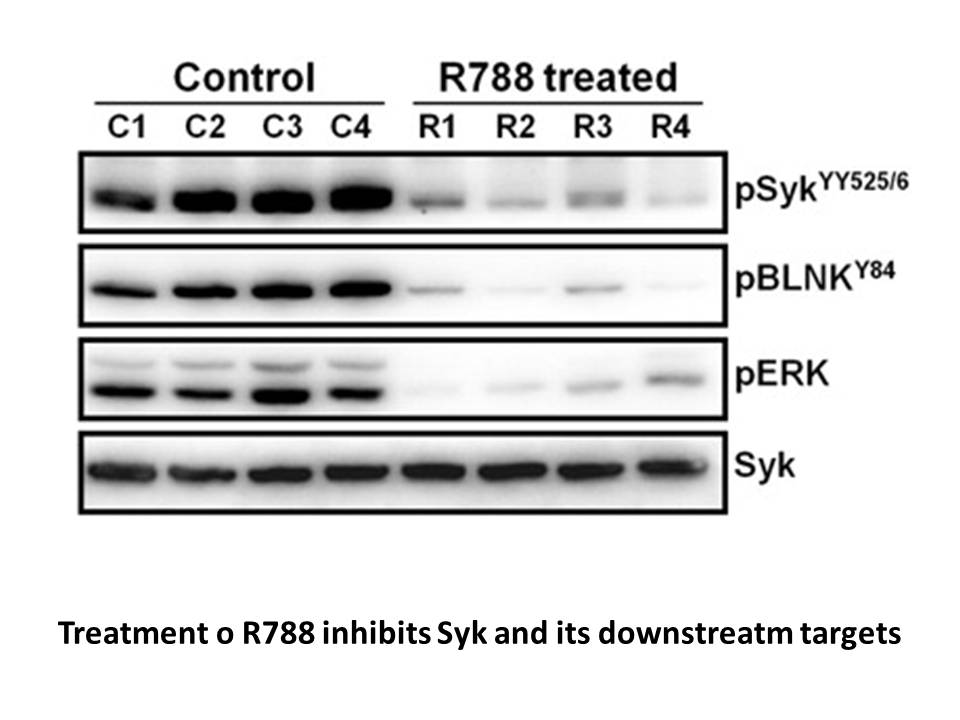
In the past few years, several experimental findings have demonstrated a pivotal involvement of adenosine also in driving the phenotypic switch of macrophages. In particular, the stimulation of A2A and A2B receptors seems to play a critical role in switching macrophages from M1 to M2 phenotype [37,6
br lipoxygenase pathway in brain
2024-08-12
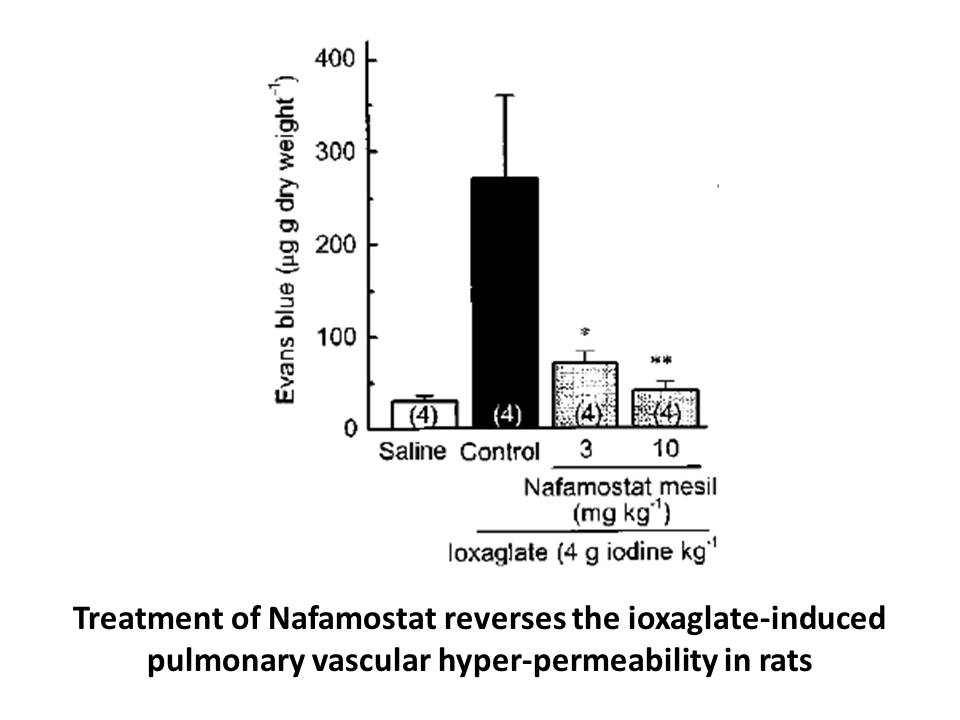
5-lipoxygenase pathway in PD 0332991 receptor aging and alzheimer’s disease 5LO is found throughout the central nervous system, in both neuron and glia cells (Farias et al., 2007). However, its expression levels are highest in the cortex and hippocampus areas, two regions that are particularly vu
br Acknowledgements We would like to thank Dr Thomas Blanpie
2024-08-09
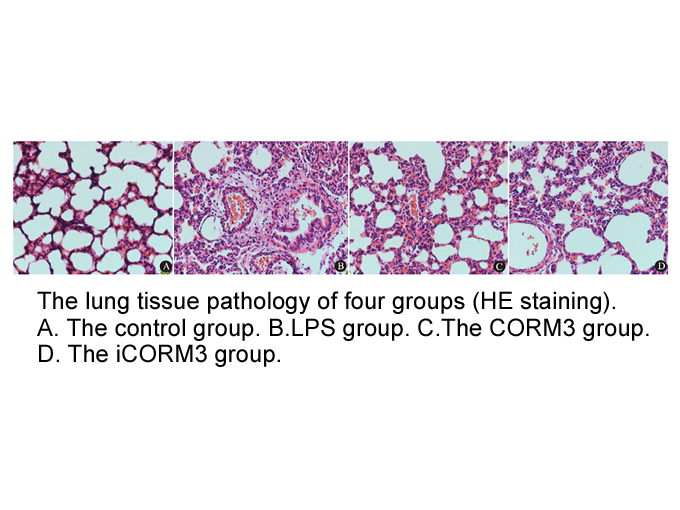
Acknowledgements We would like to thank Dr. Thomas Blanpied, Sai Sachin Divakaruni, Dr. Helmut Kessels, Feline Lindhout, Dieudonnée van de Willige, and all members of the MacGillavry lab for discussions and critical reading of the manuscript. This work was supported by NWO (ALW-VENI 863.13.020, A
br Aromatase inhibitors The aromatase
2024-08-09

Aromatase inhibitors The aromatase enzyme, P450arom, belongs to the super-family of P450 proteins which includes more than 480 members divided in 74 different families. P450arom is a unique member of family 19 [39], and is located in the endoplasmic reticulum of mammalian entospletinib that expr
In conclusion the partial sequencing
2024-08-09
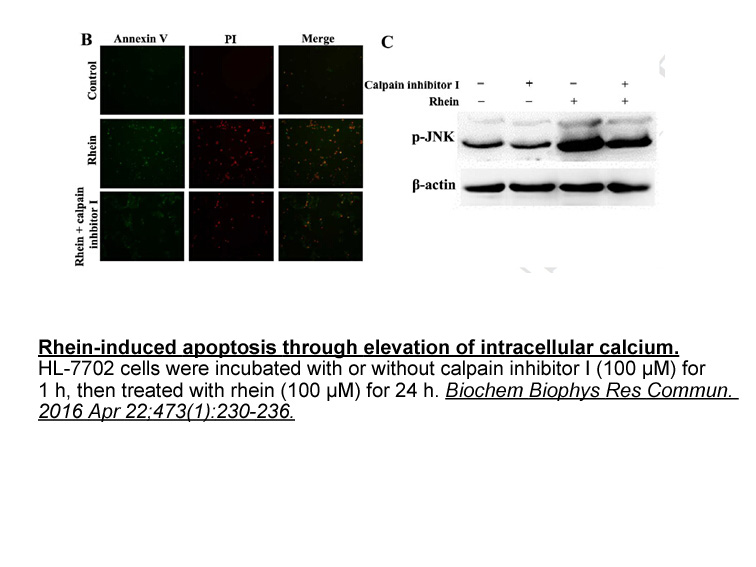
In conclusion, the partial sequencing and characterization of R. quelen cyp19a1b provides essential information about this gene and its presence in peripheral tissues outside of the central nervous system in a teleost. Furthermore, we covered sex differences in the effects of E2 on the cyp19a1b gene
br Conclusions In the current study
2024-08-09
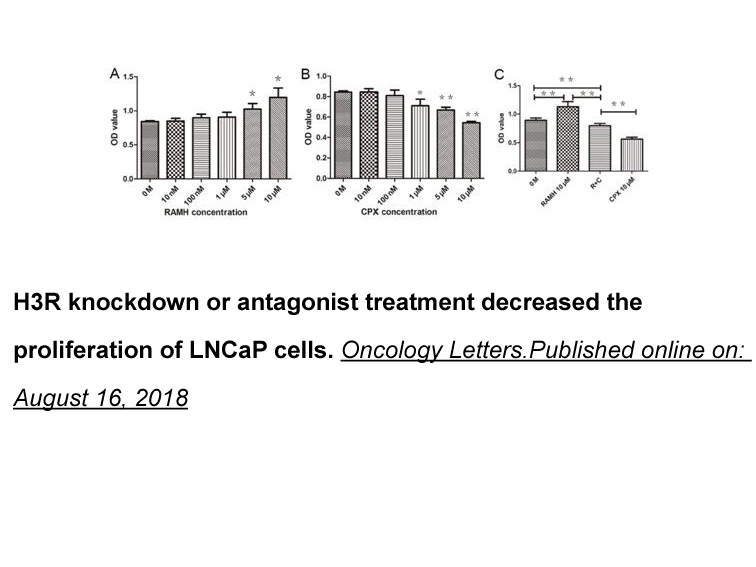
Conclusions In the current study, we found that the exposure of maduramicin to chicken myocardial Dabrafenib results in cellular damage and even death via the induction of apoptosis. Maduramicin upregulated the expression of apoptotic genes and activated caspase cascades, which were accompanied
br Consequences of central apelin APJ modulation Regarding e
2024-08-09
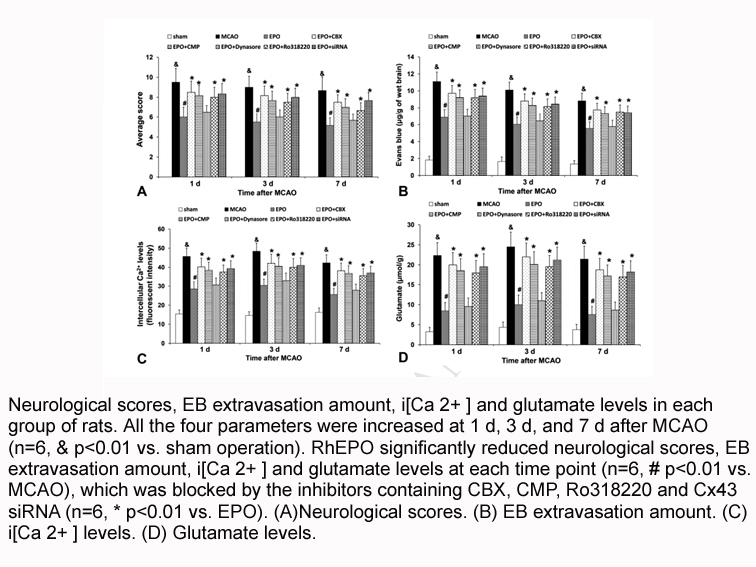
Consequences of central apelin/APJ modulation Regarding extra-hypothalamic actions, recent data demonstrate that the central apelin/APJ system could be a potential new target for the regulation of memory (Han et al., 2014). Then, intracerebroventricular (icv) apelin administration in mice impairs
8187 records 140/546 page Previous Next First page 上5页 136137138139140 下5页 Last page