Archives
- 2026-10
- 2026-09
- 2026-08
- 2026-07
- 2026-06
- 2026-05
- 2026-04
- 2026-03
- 2026-02
- 2026-01
- 2025-12
- 2025-11
- 2025-10
- 2025-09
- 2025-04
- 2025-03
- 2025-02
- 2025-01
- 2024-12
- 2024-11
- 2024-10
- 2024-09
- 2024-08
- 2024-07
- 2024-06
- 2024-05
- 2024-04
- 2024-03
- 2024-02
- 2024-01
- 2023-12
- 2023-11
- 2023-10
- 2023-09
- 2023-08
- 2023-07
- 2023-06
- 2023-05
- 2023-04
- 2023-03
- 2023-02
- 2023-01
- 2022-12
- 2022-11
- 2022-10
- 2022-09
- 2022-08
- 2022-07
- 2022-06
- 2022-05
- 2022-04
- 2022-03
- 2022-02
- 2022-01
Introduction AMP activated protein kinase
2024-02-04
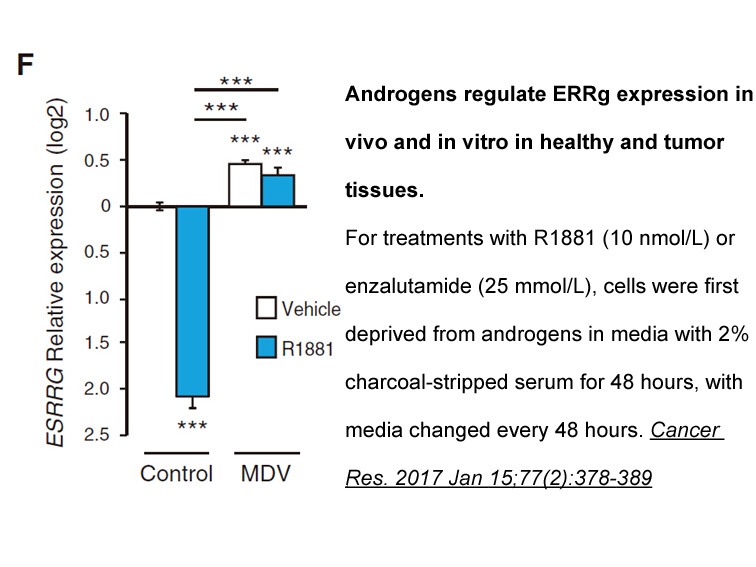
Introduction AMP-activated protein kinase (AMPK) is mainly known as a highly conserved and ubiquitously expressed energy sensor that is highly sensitive to changes in cellular energy levels (by sensing increases in AMP:ATP and ADP:ATP ratios) and makes appropriate adjustment to balance the consumpt
GSK256066 Pathogen infected macrophages release exosomes ass
2024-02-04
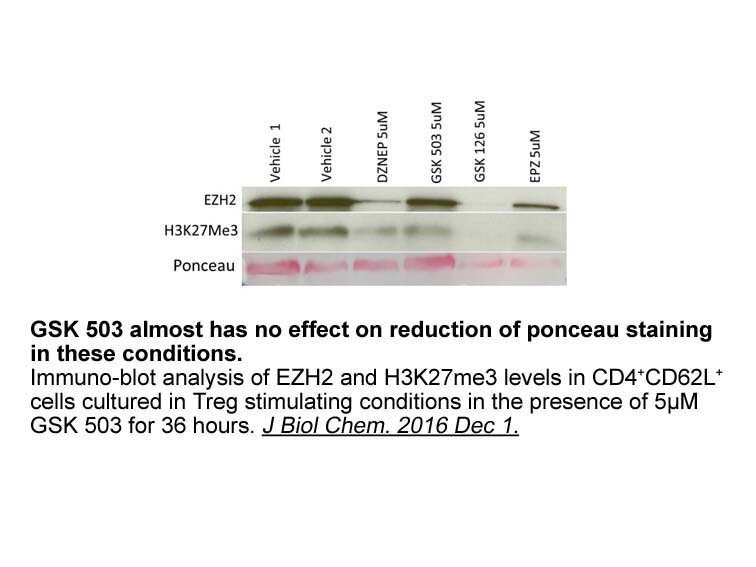
Pathogen-infected GSK256066 release exosomes associating with pathogen-associated molecular patterns (PAMPs) such as LPS and lipoprotein derived from microorganisms [29,30]. Exosomes released by bacterially infected, but not uninfected, macrophages stimulate macrophages to release inflammatory medi
br Regulation of BCAA catabolism The BCAA catabolic system i
2024-02-04
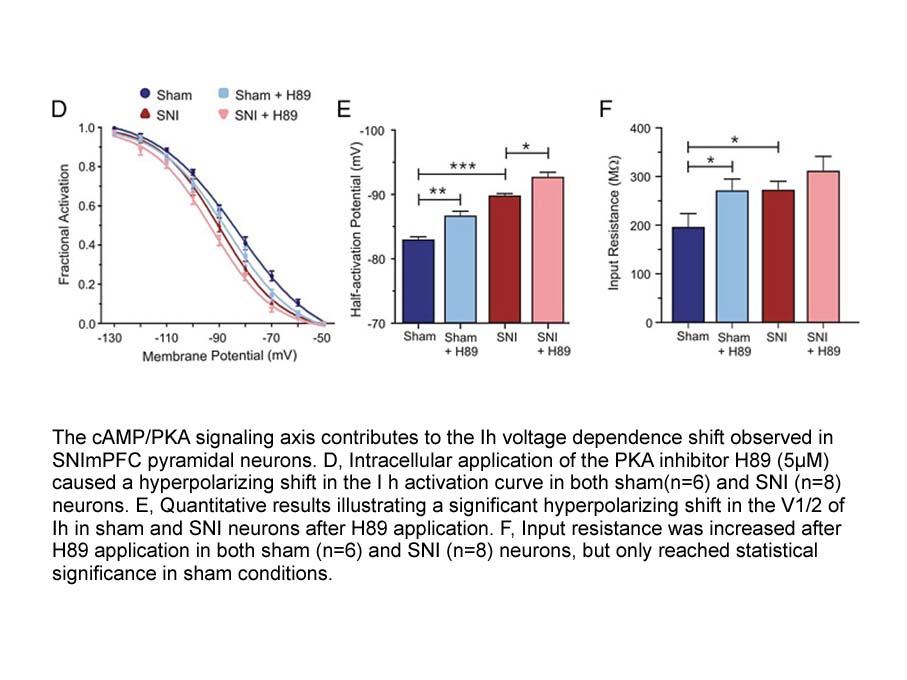
Regulation of BCAA catabolism The BCAA catabolic system is equipped in mammalian cells to dispose of excess BCAAs, presumably resulting in relatively stable concentrations of BCAAs in blood and tissues in humans. The main BCAA catabolic pathway is localized in the mitochondria of all tissues. The
PLX7904 In our previous study we showed that normal
2024-02-02
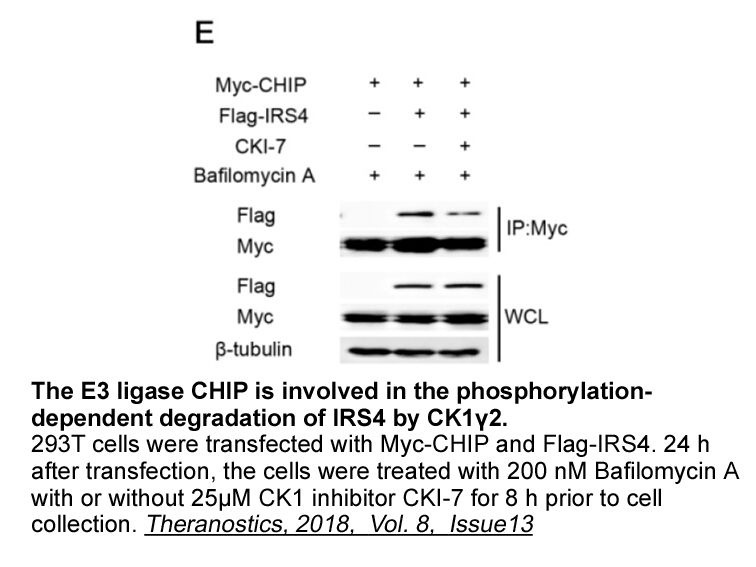
In our previous study we showed that normal and cancerous PLX7904 of kidney exhibit the activity of alcohol dehydrogenase and aldehyde dehydrogenase. Furthermore, the activity of class I ADH isoenzymes and total ADH were significantly higher in cancer tissue than in unchanged renal cells. Moreover,
APPL is highly expressed in pancreatic
2024-02-02
APPL1 is highly expressed in pancreatic β cells, but its levels are significantly decreased in several mouse models of obesity and diabetes, including HFD-induced obese mice and db/db mice [6], [73], suggesting that the dysregulation of APPL1 may be associated with malfunction of the pancreas in obe
br Discussion The clinical course of our patient until
2024-02-02
Discussion The clinical course of our patient until May 2012 was rather typical of early onset AChR-MG. Later on, the pattern of the disease was more typical of MuSK-MG, as evidenced by the distribution of myasthenic weakness and the unprovoked exacerbations. The 5'-Iodoresiniferatoxin of MuSK-M
The hypothalamic pituitary adrenal HPA axis
2024-02-02
The hypothalamic-pituitary-adrenal (HPA) axis is a neuroendocrine system that is central to regulating responses to stress (Palazidou, 2012). In older persons, a high dysfunction of the HPA axis is observed (Otte et al., 2005) which may be enhanced by stimulatory effects of genes involved in the axi
br Acknowledgements This work was supported by
2024-02-02
Acknowledgements This work was supported by the FedEx Institute of Technology at The University of Memphis (to DLB and ALP), NSF REU CHE 1156738 (to ALP in support of RSS), and NIHCA921060 (to GT). This material is based upon work supported by the National Science Foundation under Grant No. CHE-1
br Results and discussion br Conclusion In
2024-02-02
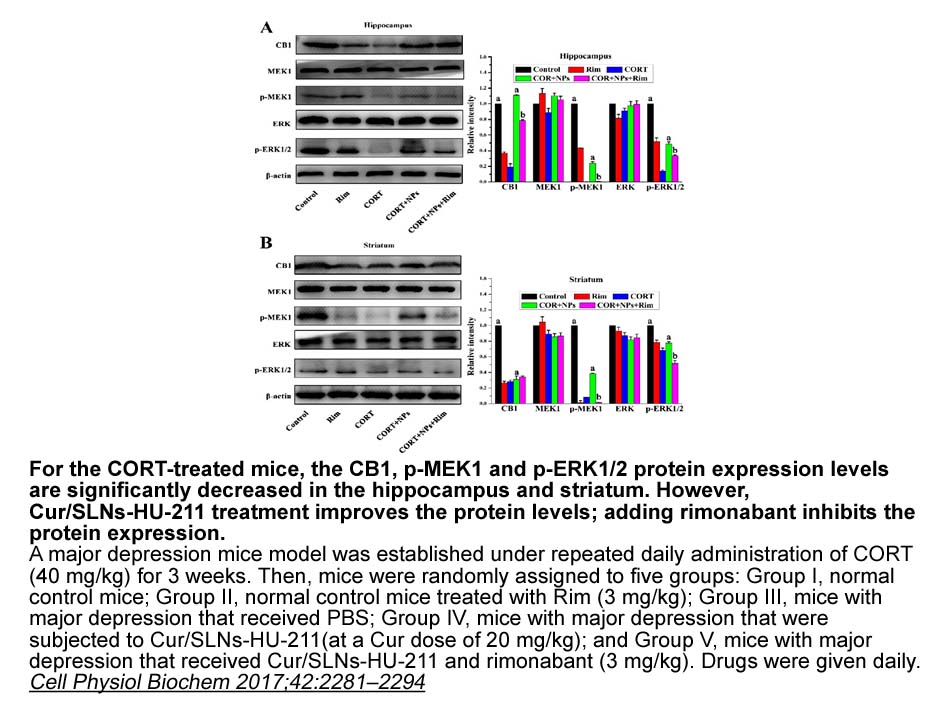
Results and discussion Conclusion In summary, a series of indazole-based derivatives were synthesized and SAR studies conducted, with view to the development of a novel Aurora kinases inhibitor. The carboxylic CFDA SE Cell Tracer Kit receptor group extending from the C-3 position of the anili
Investigating these possibilities will illuminate whether ce
2024-02-02
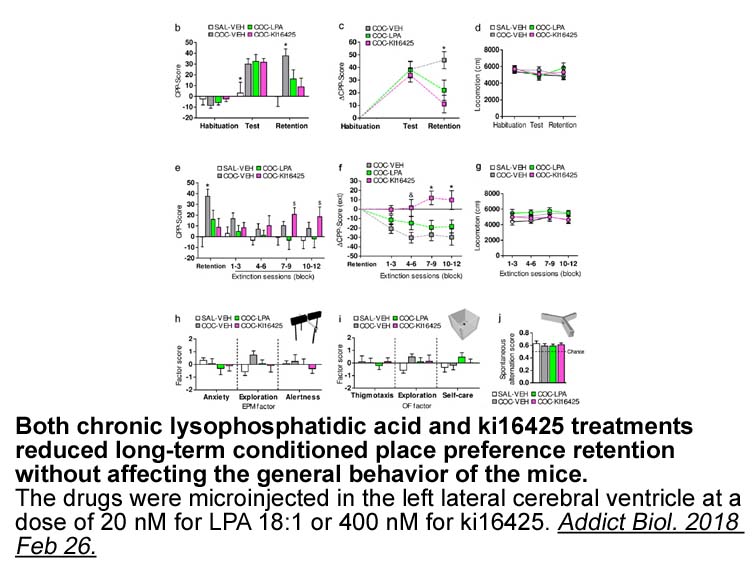
Investigating these possibilities will illuminate whether Poziotinib possess mechanisms to differentially detect ACLY-generated versus ACSS2-generated acetyl-CoA as well as define the functional relationship between histone acetylation levels and cellular functions and phenotypes. Given that ACLY d
Human hepatocyte transplantation resulted in
2024-02-02
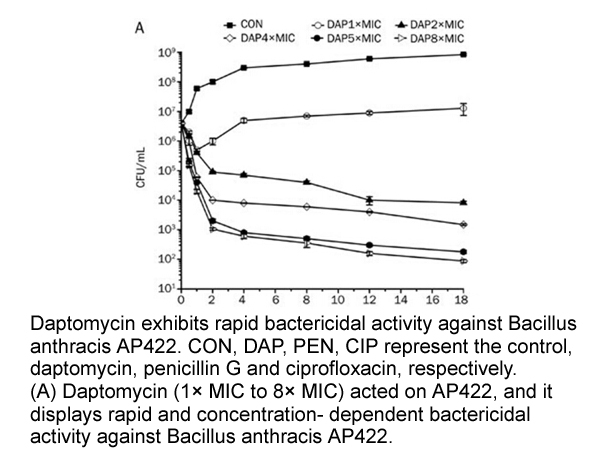
Human hepatocyte transplantation resulted in some animals with relatively sparse repopulation while others had >90% of their liver containing human hepatocytes. The presence of circulating human albumin varied based on the amount of repopulation as the degree of humanization is reported to correlate
GSK2801 mg The alamarBlue test revealed that recombinant ape
2024-02-02
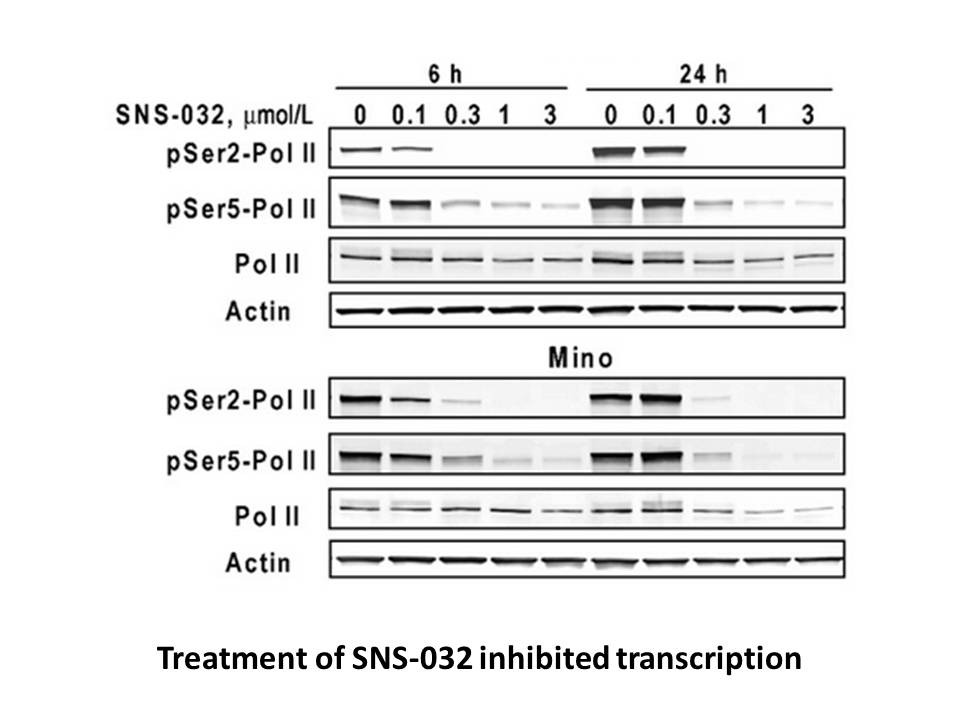
The alamarBlue test revealed that recombinant apelin led to an increase in basal and IGF1- and FHS-induced ovarian cell proliferation. Apelin increased ERK1/2 and Akt protein expression, but cell proliferation returned to control levels in the presence of kinase inhibitors. This suggests that the pr
br Material and methods br
2024-02-02
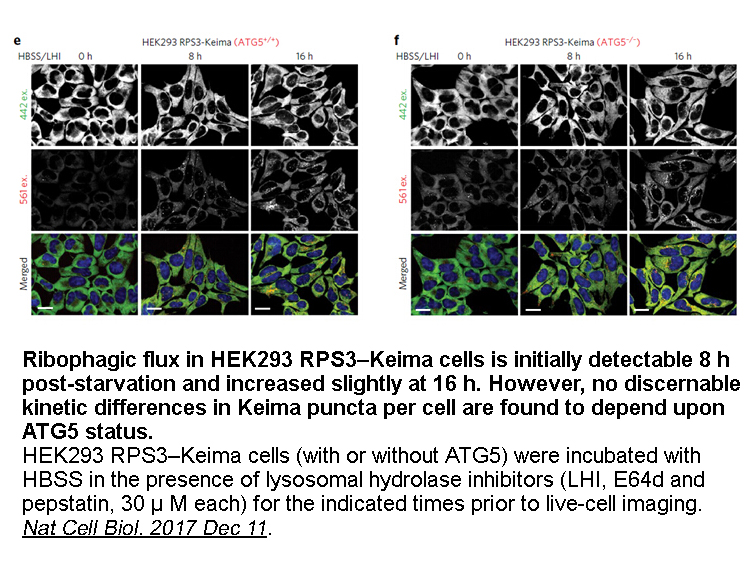
Material and methods Results Discussion Didox was originally created asa cytostatic drug to inhibit cancer cell proliferation by antagonizing RNR [11]. When used to target highly proliferative cells, Didox has extensive activity in vitro and in vivo. It has also been employed in clinical st
To further evaluate the influence of antibiotics
2024-02-02
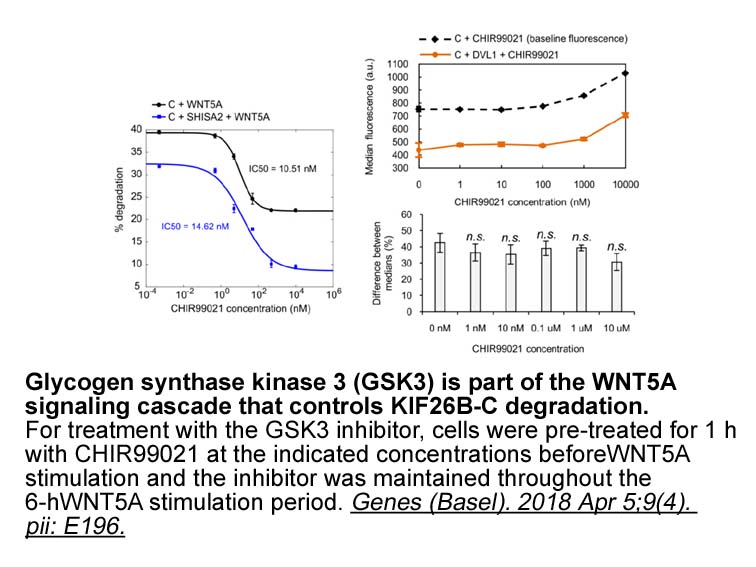
To further evaluate the influence of Flavin adenine dinucleotide on allergy, Russel et al. initiated vancomycin treatment during pregnancy in mice and continued it for several weeks after birth. This resulted in exaggerated OVA-induced allergic inflammation, characterized by higher numbers of lung
Long term blood pressure regulation is linked to renal funct
2024-02-01
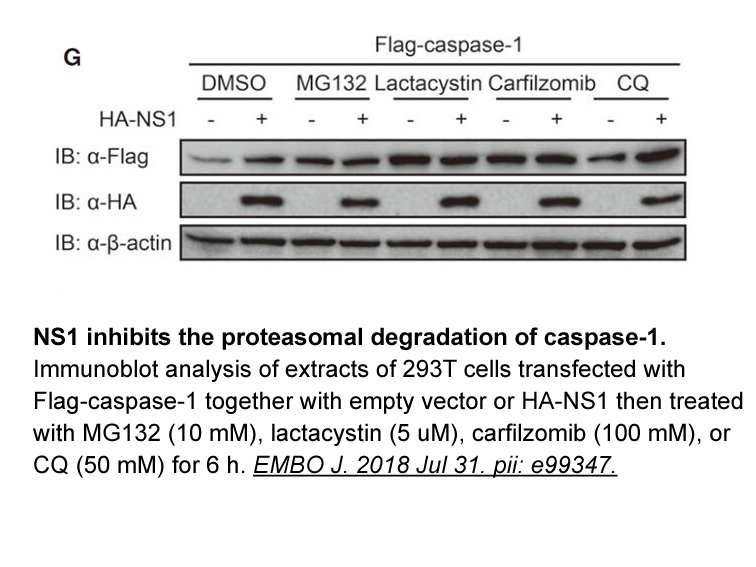
Long term blood pressure regulation is linked to renal function through the mechanisms of pressure natriuresis (Evans et al., 2005), which has been shown to be modulated by the RAS (Hall et al., 1999). Key components of the RAS are expressed throughout the kidney, and are implicated in renal excreto
8188 records 236/546 page Previous Next First page 上5页 236237238239240 下5页 Last page